This event has ended, but don't worry we have a new forum each week!
When communities face urgent challenges—housing instability, food insecurity, family crisis, health inequities—it’s often nonprofits that respond first and stay the longest. In Columbus and cities across the country, nonprofits do more than supplement public systems; they frequently help public systems work faster and better by delivering services, reaching residents, and turning public priorities into real results quickly – sometimes literally overnight. But the funding models behind that work are often outdated and fragile. Many nonprofits launch programs, meet rising demands, and absorb costs upfront while waiting for reimbursement. At the same time, philanthropy is being stretched in new ways, and many organizations lack access to the capital needed to operate with stability. The result is a mismatch between what communities need nonprofits to do and how those nonprofits are actually funded.
How can nonprofits rise from financial strain to innovation and possibility? What would it look like to fund nonprofit work in ways that are faster and more flexible? How are philanthropy, government, and community organizations rethinking partnership, risk, and investment? And if nonprofits are essential civic infrastructure, what kinds of funding models will it take to make sure they can keep delivering—not just survive?
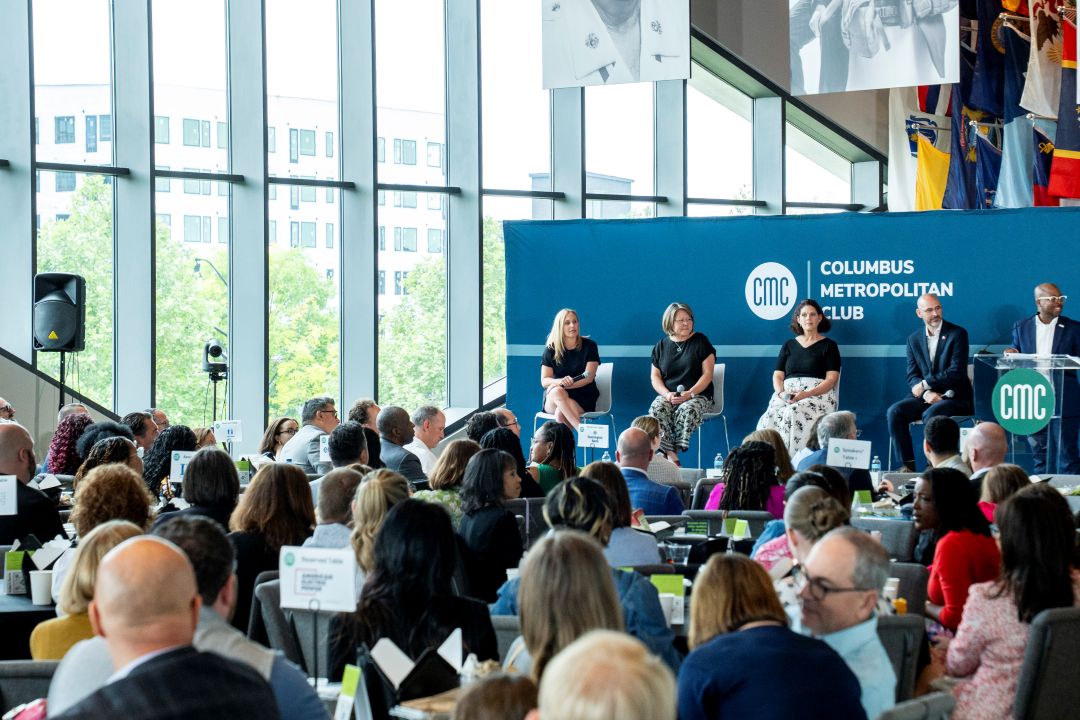
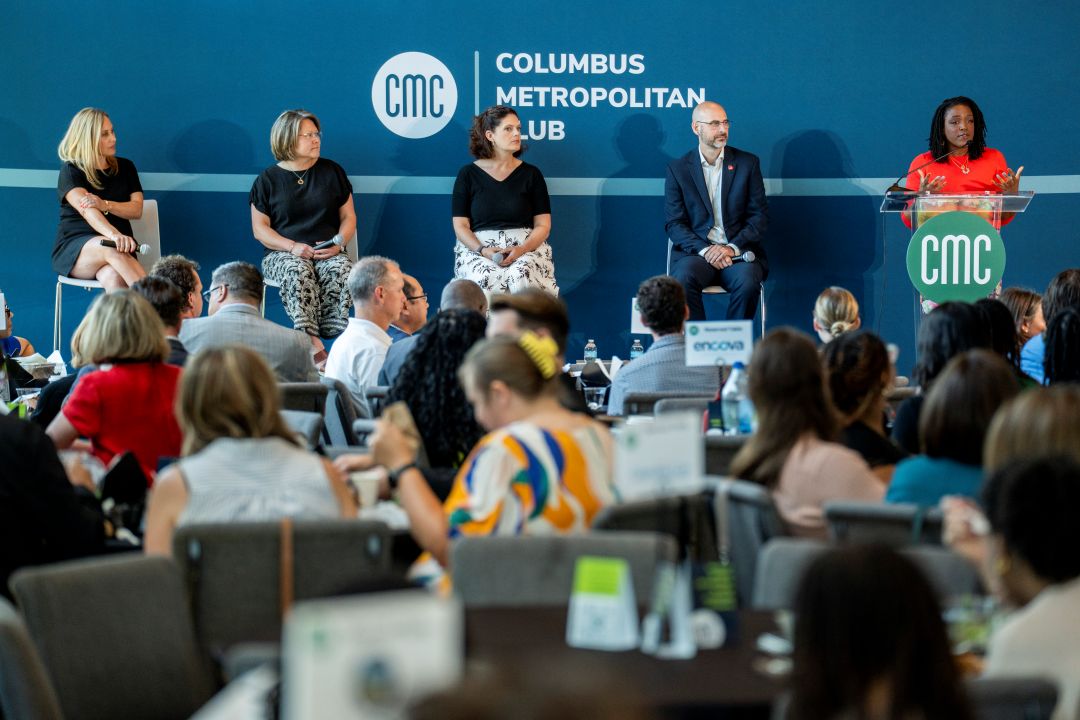
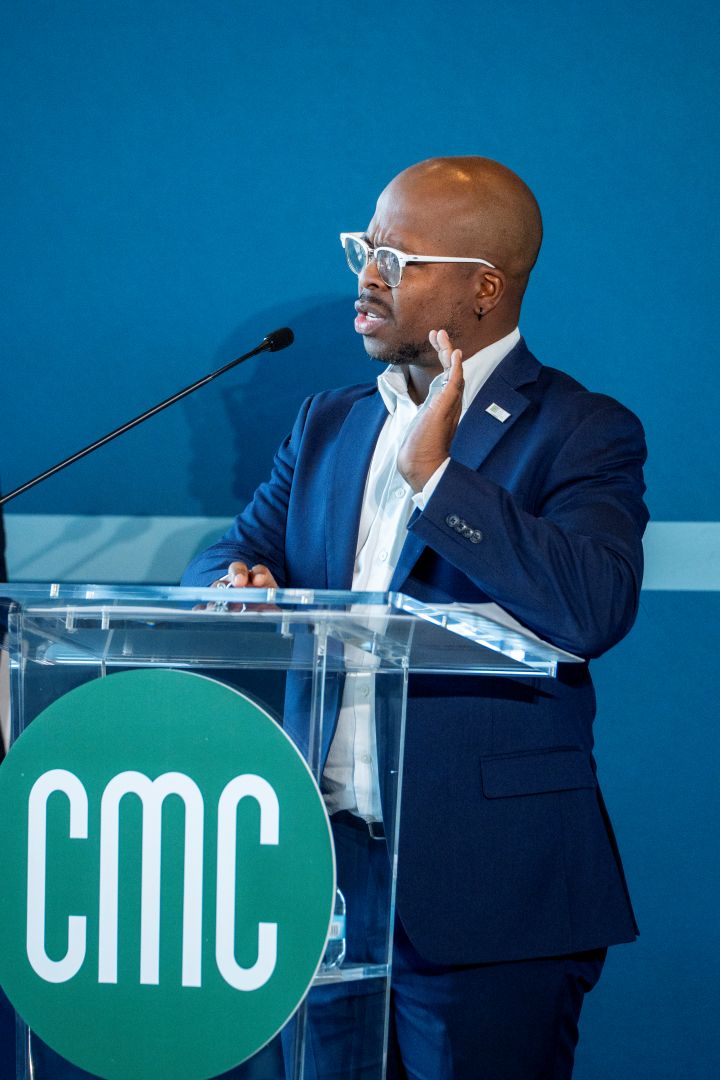
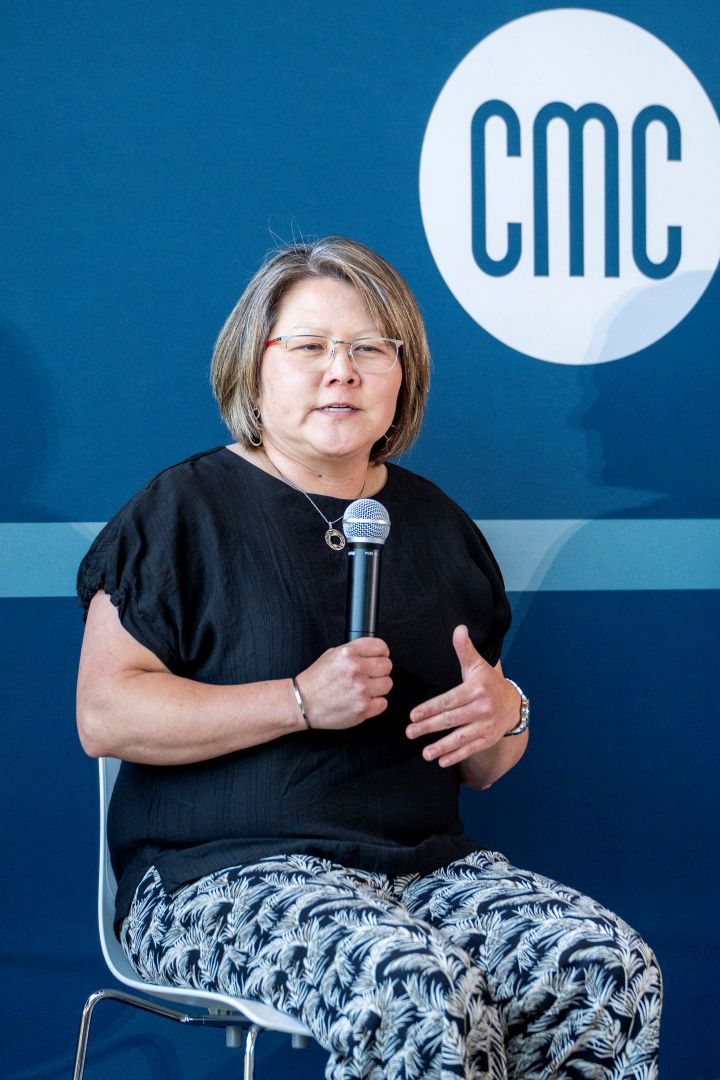
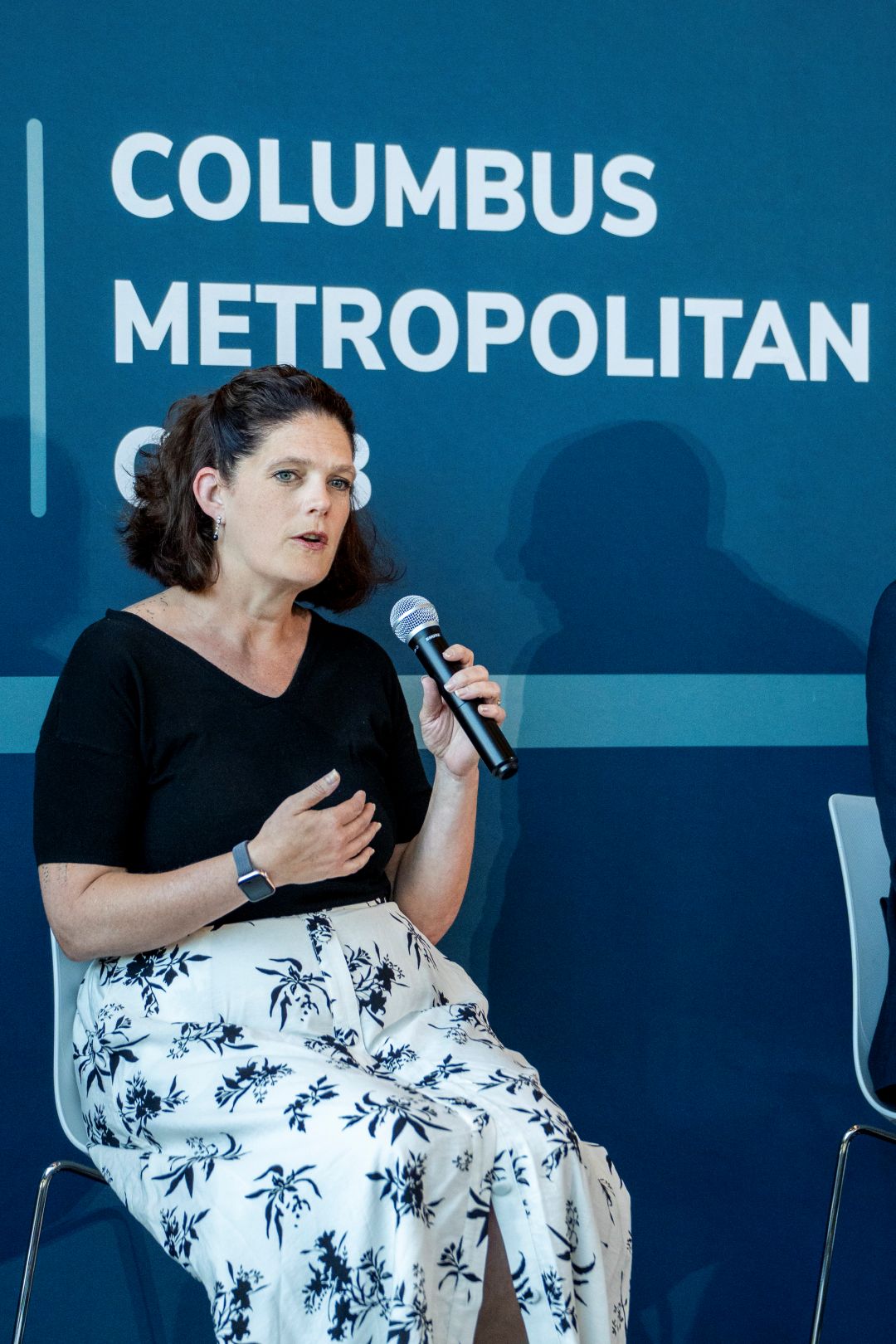
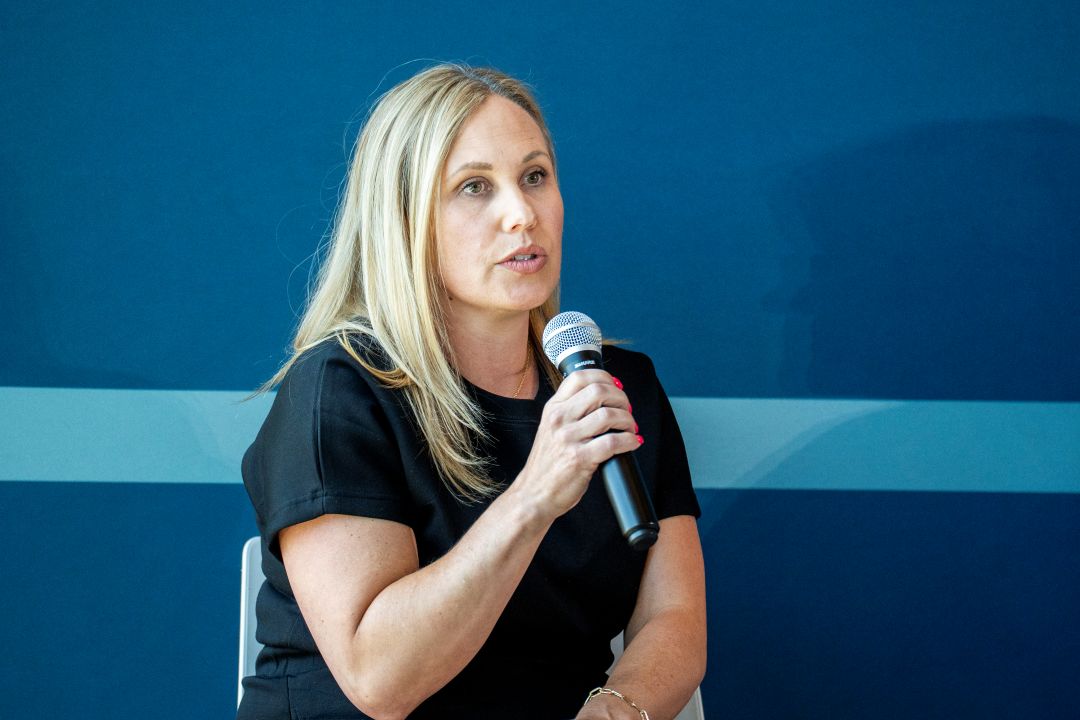
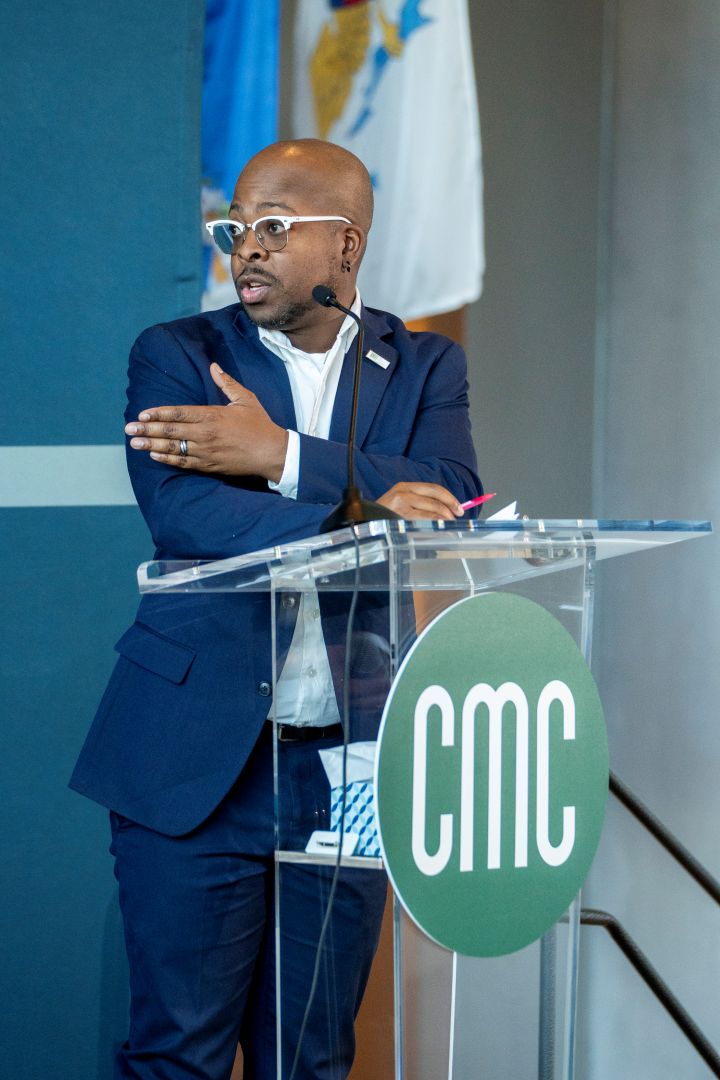
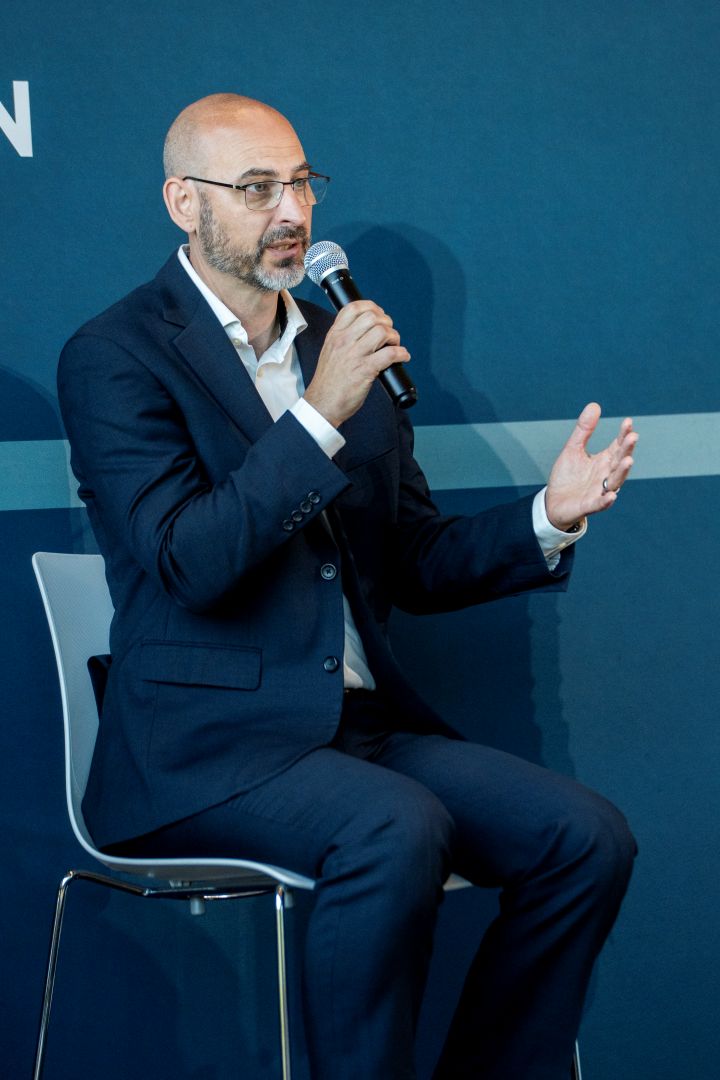
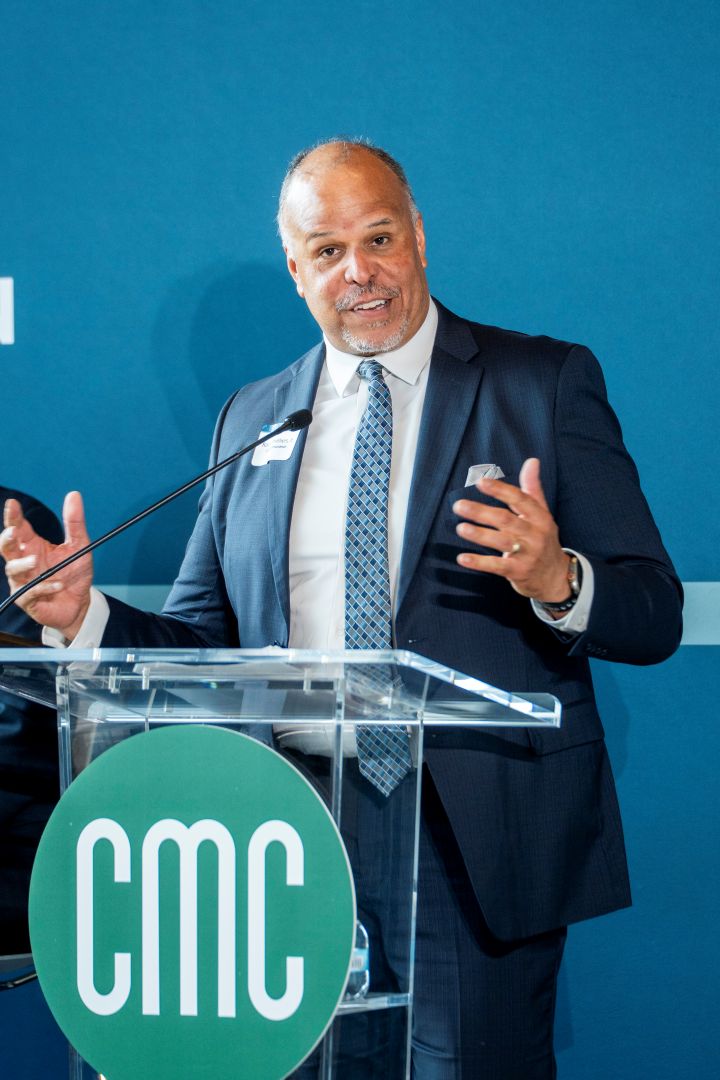
Featuring Lindsay Baker, Vice President and Director of Philanthropy and Engagement – Central Ohio, The Huntington National Bank; Emmalyn Jerome, CEO of Lower Lights Ministries; Phil Washburn, President & CEO, The Furniture Bank of Central Ohio, Hannah R. Jones, Deputy Director of Community Development, City of Columbus’ Department of Development, with moderator Sheldon K. Johnson, Executive Director, Partners Achieving Community Transformation.
If you would like to dive more deeply into this topic, our friends at the Columbus Metropolitan Library suggest checking out Reimagining Nonprofits and Philanthropy: Unlocking the Full Potential of a Vital and Complex Sector, By Vu Le, 2026.













Photographs by: Ian Alexander Photography