This event has ended, but don't worry we have a new forum each week!
They are increasingly common along Central Ohio roads: small cameras that automatically photograph passing vehicles, read license plates, record identifying characteristics, and place that information into databases used by law enforcement. Police say Flock Safety’s automated license plate readers are an investigative tool—helping locate missing children, recover stolen vehicles, identify suspects, and solve crimes.
But the same technology is raising an urgent question: When does a public-safety tool become mass surveillance? Columbus police operate 65 Flock cameras with more planned, and hundreds more are spread across Franklin County. As reported by WOSU Public Media, a recent city audit found that Columbus’ Flock network had been searched more than 15,000 times for potentially immigration-related purposes.
Privacy advocates argue that the underlying problem goes beyond immigration enforcement: cameras collect information about millions of ordinary drivers who are suspected of nothing, creating records that can reveal where vehicles have traveled and potentially be searched by agencies far beyond the community where the data was collected.
How much privacy should Central Ohioans surrender in the name of public safety? Can strong rules governing warrants, retention, data sharing, and searches preserve Flock’s crime-fighting benefits while preventing abuse?
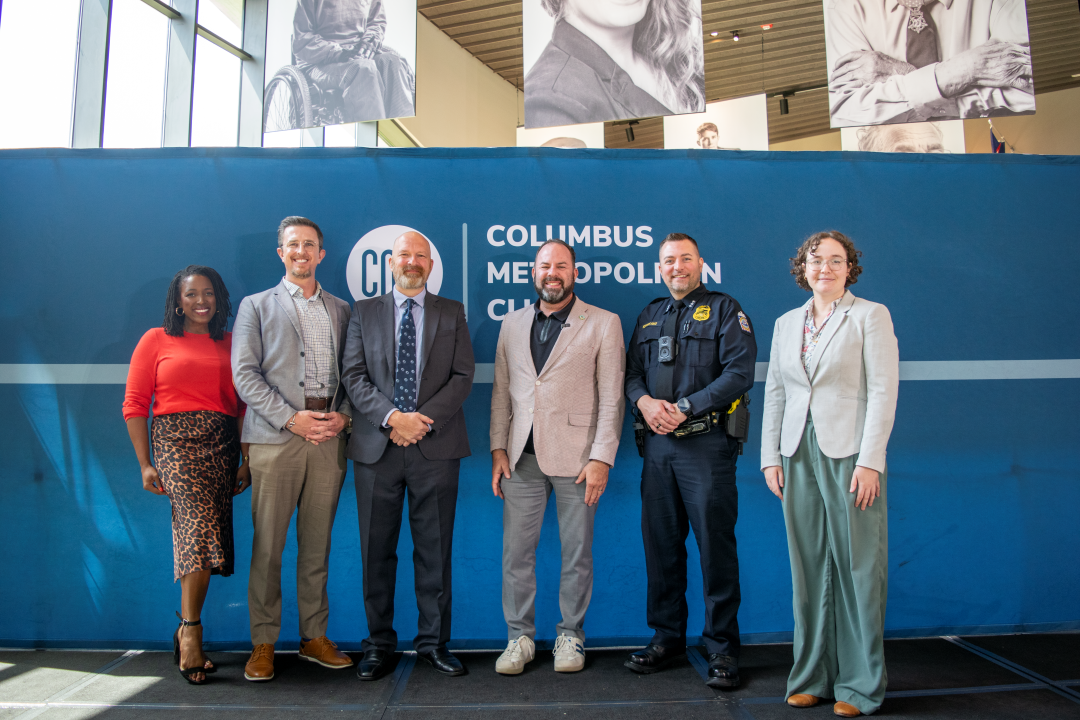
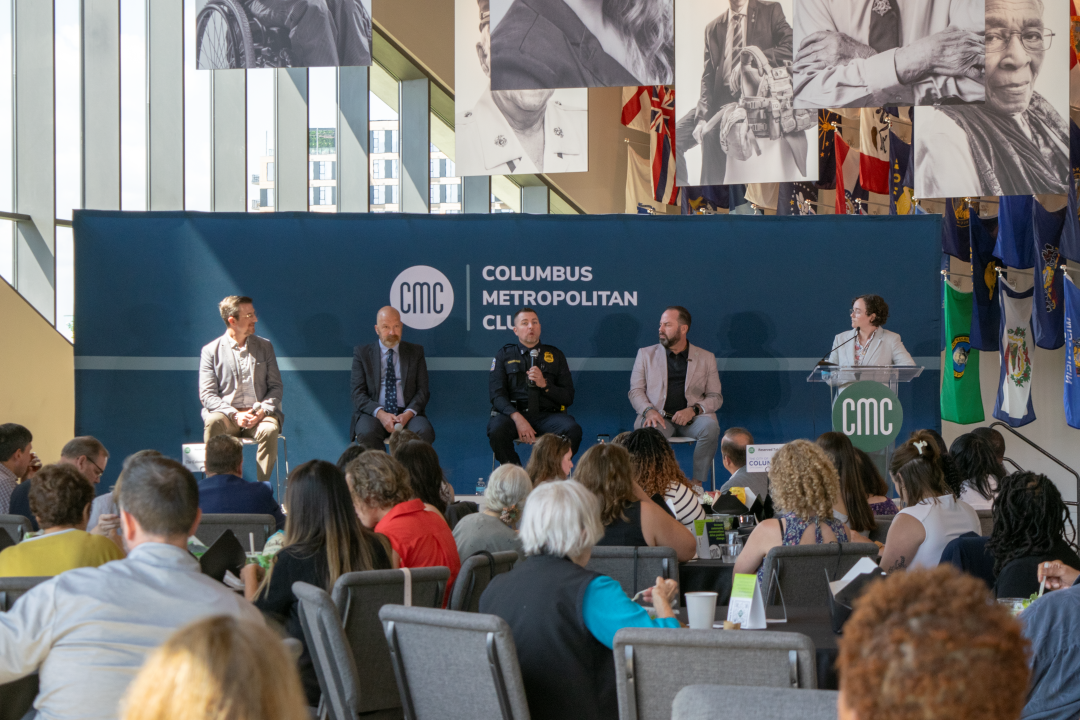
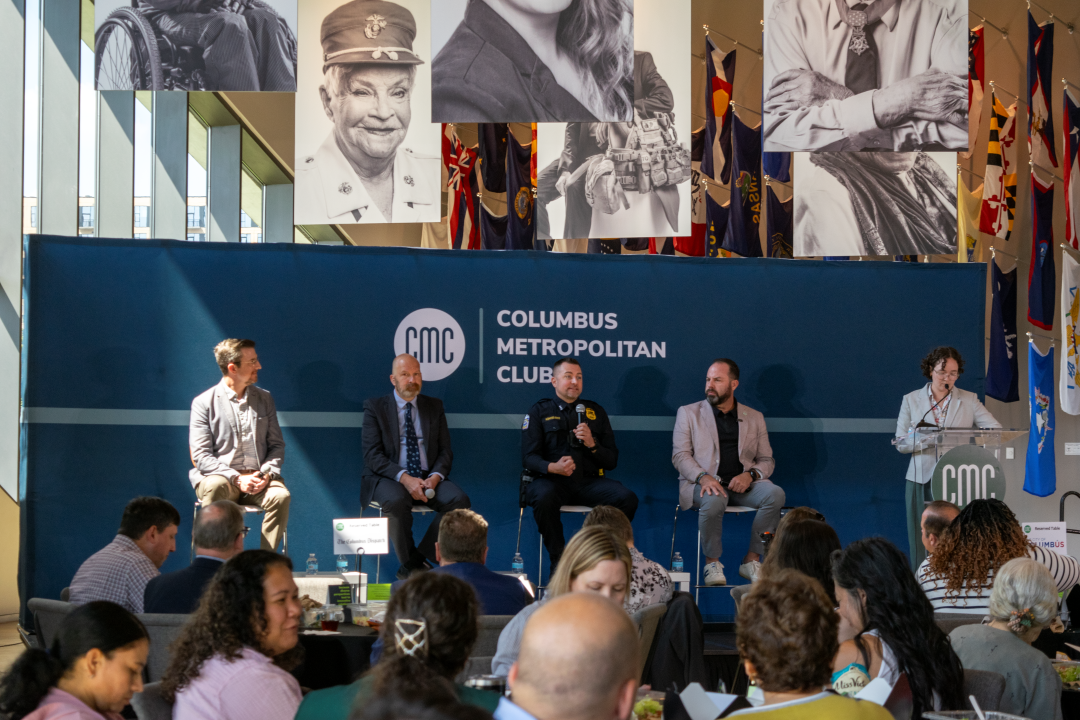
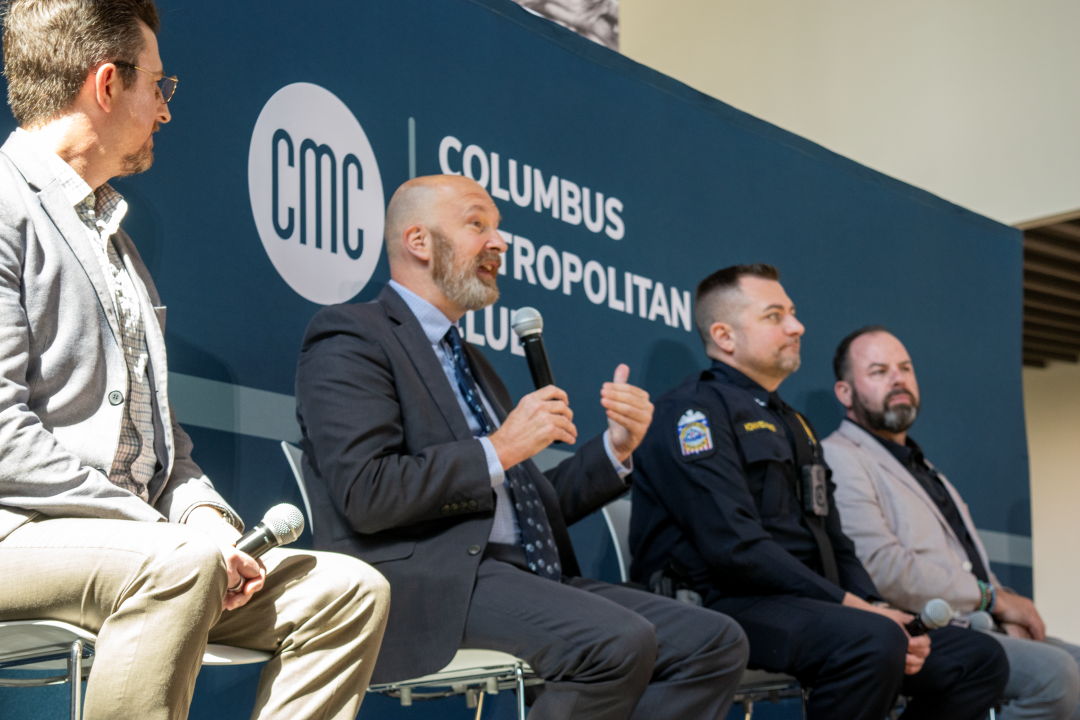
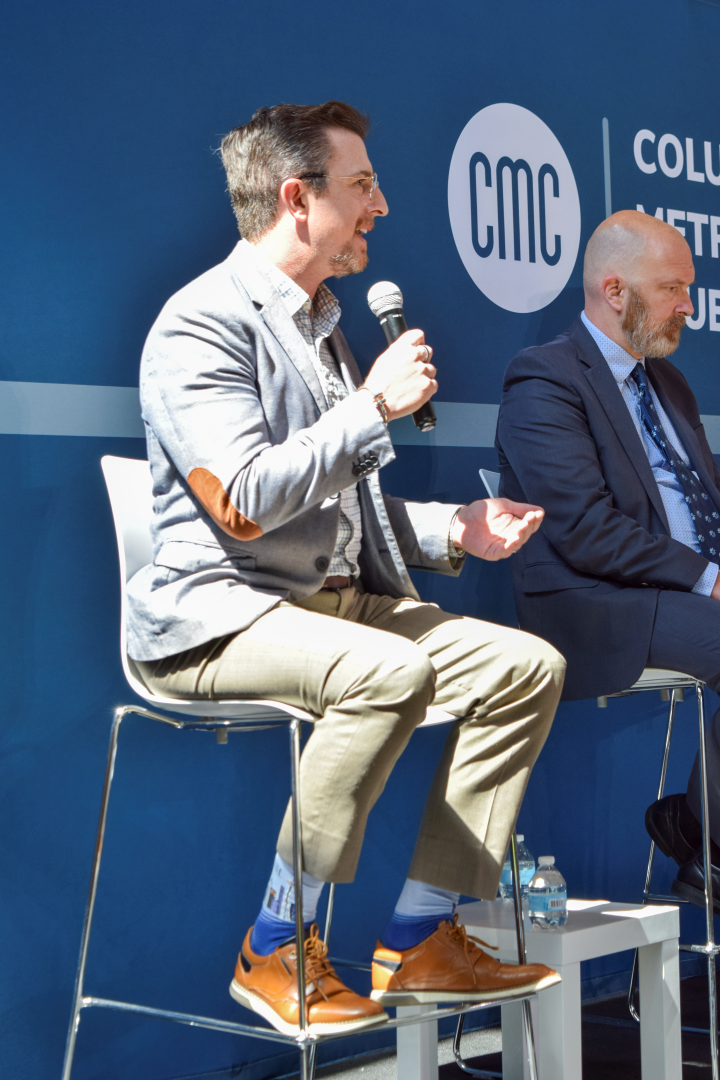
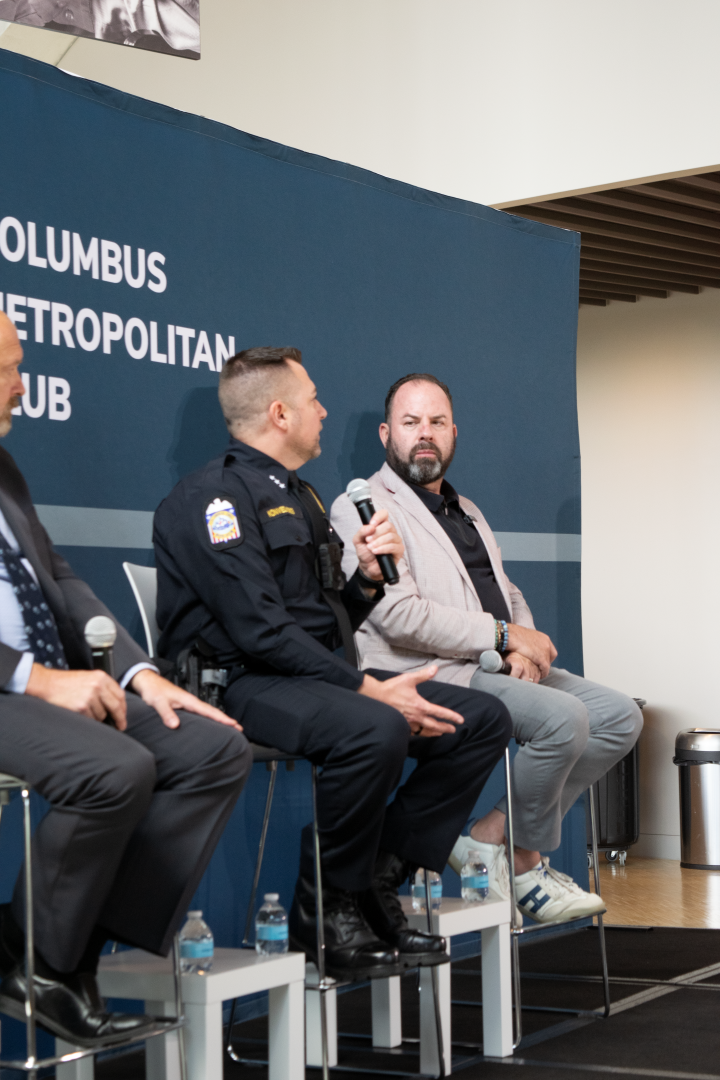
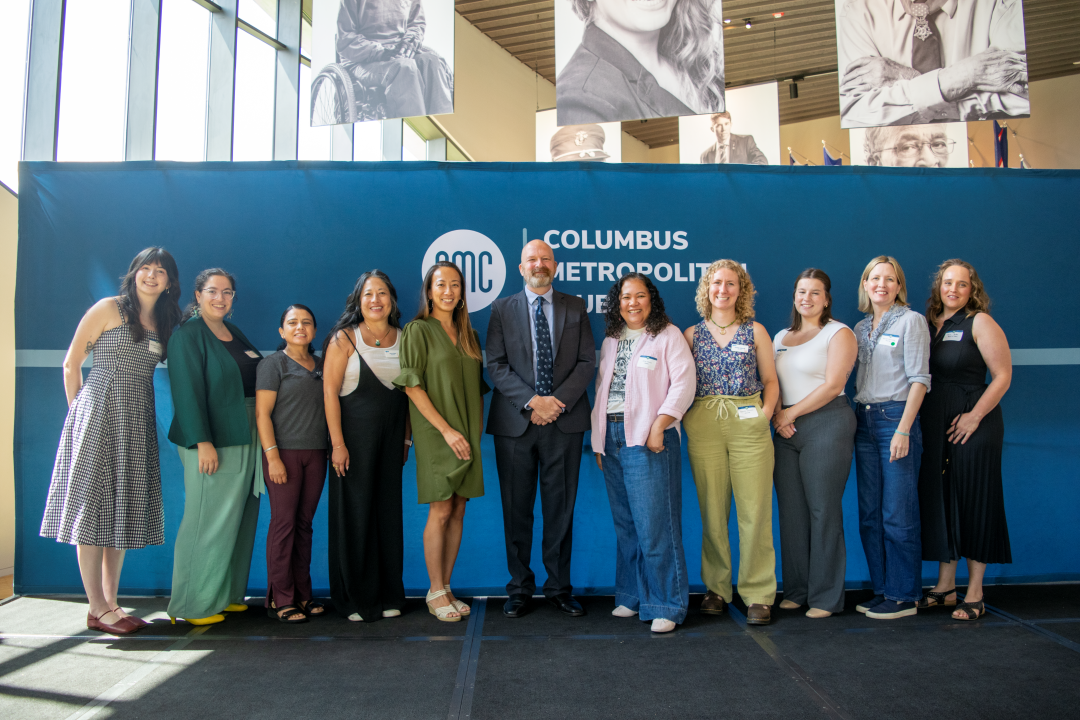
Featuring Trevor Chandler, Senior Director of Public Affairs, Flock Safety; Gary Daniels, Legislative Director, ACLU of Ohio; Assistant Chief Nick Konves, Columbus Division of Police; Emmanuel V. Remy, Columbus City Councilmember, with moderator Anna Lynn Winfrey, Reporter, The Columbus Dispatch.
If you would like to dive more deeply into this topic, our friends at the Columbus Metropolitan Library suggest checking out We See it All: Liberty and Justice in the Age of Perpetual Surveillance, by Jon Fasman, 2021.


Photographs by: Al Lewis Freelance